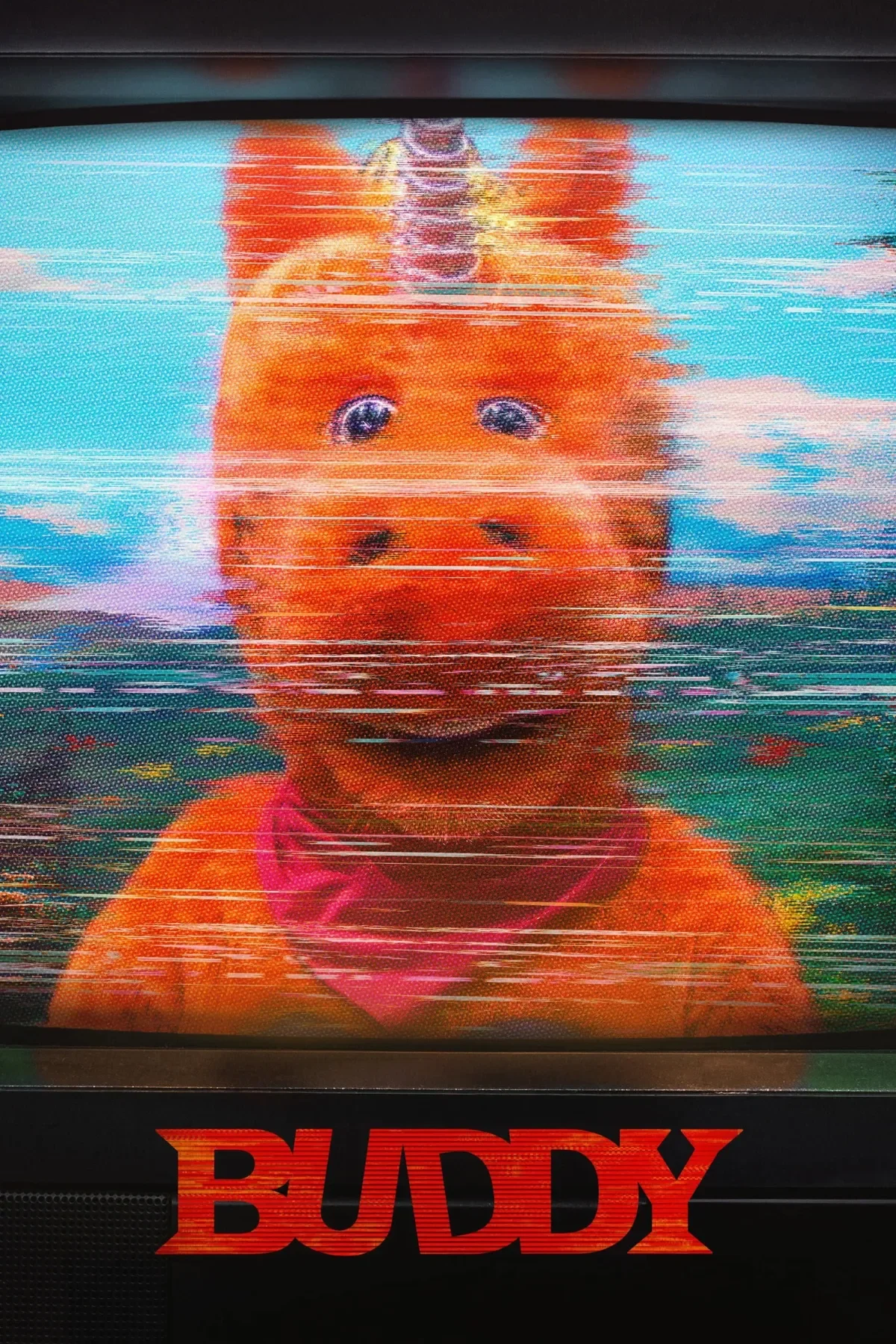
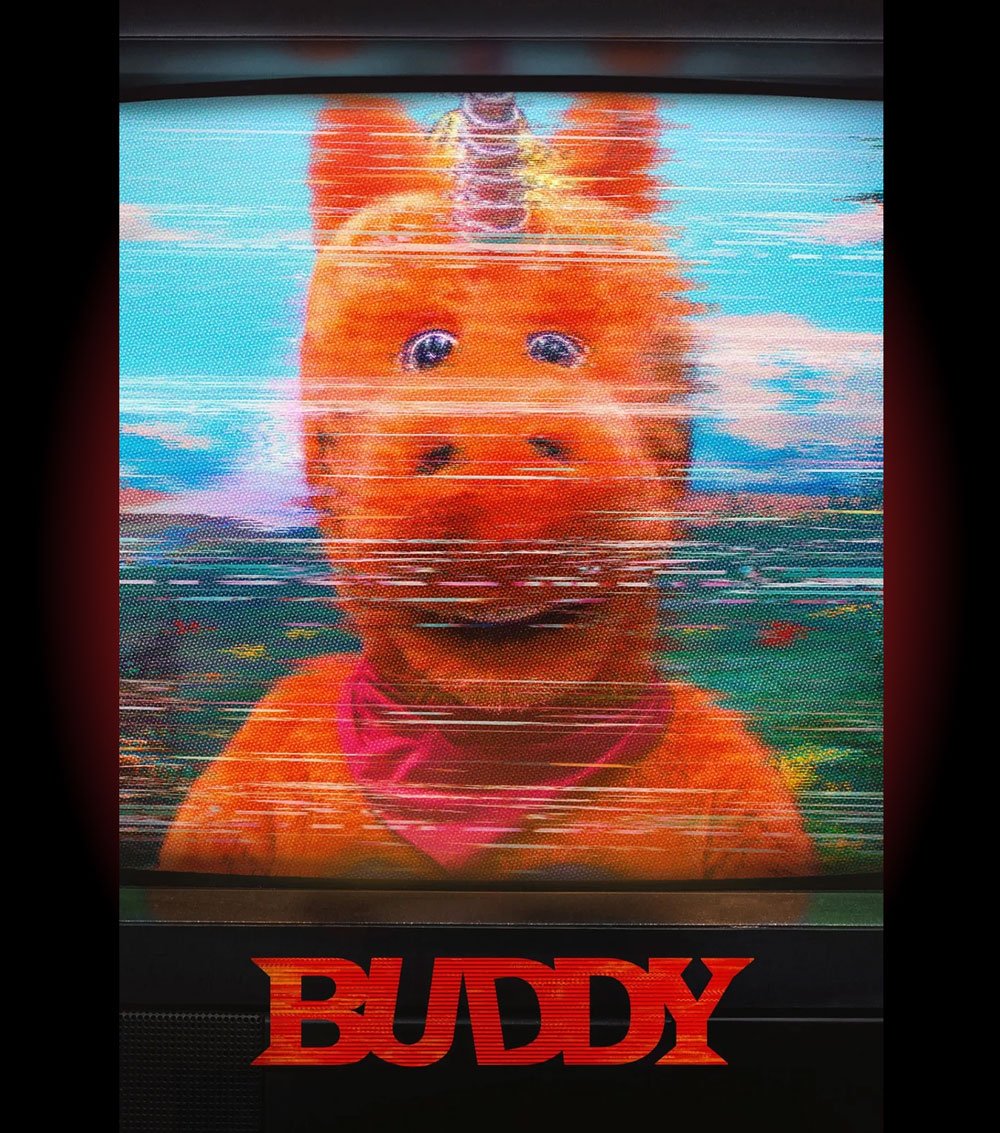
Imagine an endless cycle.
There are no nights. Only an eternal half hour where everything is bright and cheerful, rendered in hyper-saturated colors. Filled with surreal, animistic creatures that only exist to ensure your happiness. You will never know, pain, hunger, or want. But you will never know anything beyond. Everything is provided by a cheerful King: Buddy. All it demands is your love. And obedience.
The theme song plays, and the cycle begins anew.
You awake again, with vague fragmented memories… Figures you may have known. Half recalled friends. Events that might have transpired. Horrors witnessed. But it is lost in cotton candy clouds.
The theme song plays, and the cycle begins anew.
A thought might linger at the periphery… How many times has this happened? What happened to the others? What is outside of this? what exactly is this King?
What happens or has happened, to those that displease him?
A seed of fear blossoms.
The theme song plays, and the cycle begins anew.
A child’s program is the facade for an endless hellscape, lorded over by an increasingly disturbing entity. It presents as a cheerful children’s mascot, but its motivations are unfathomable. The premise is played entirely straight, and builds dread and disquiet quickly. There are rules to the realm, that even it must adhere to, but reality warps around its whim. Not just in this world, but many. And what King does this King serve?
It is surreal, vibrant and lurid. It plays like something that should be introduced with a Rod Serling monologue. It commits fully to an outlandish premise, and genuinely questions the means and mechanics for what this scenario might entail and imply. The film is cleverly directed, mimicking childhood staples with remarkable fidelity, then slowly intensifies the terrifying nature of the broadcast. The hyper-saturation of bright colors includes crimson, more and more often. The terror isn’t derived from seeing a colorful kid’s figure turned murderous, there’s an entire sub-genre of ‘mascot horror’, but the implication about the wavering nature of mind, memory and reality itself.
These are ideas that Kelly has already explored in his other work, and here he’s given free rein to take the premise as far as he wishes, but in some places it wears too long, and in others elements are woefully shortchanged. Regardless, there is little else like Buddy on the horror landscape, and in a genre and year where the best ideas are recycled, it’s inventive and original and deserving to be included in conversations about the year’s best.